
Degree or diploma?
The qualification changes the route
Compare the exact award, curriculum and progression.
EduCanada · Study optionsSTUDY ABROAD / CA
True north / A fresh direction. A wider world of possibilities.
Research universities. Hands-on college programmes. Co-op woven into selected degrees. Discover the Canadian route that fits your ambitions, then get clear on the qualification, the city and the full cost.
Guide checked · Official sources
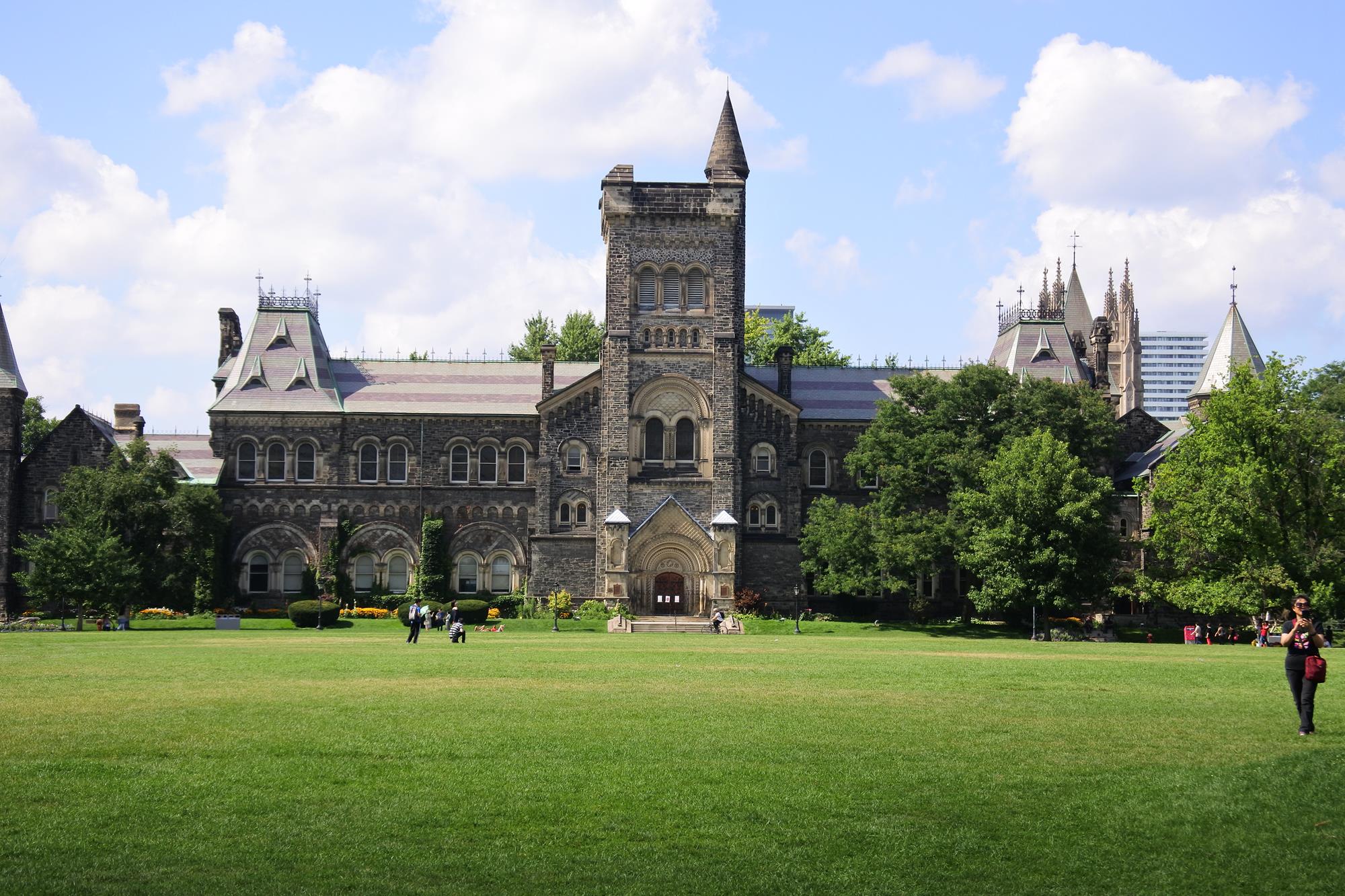

Ken Eckert · CC BY-SA 4.0 · Display cropped
Compare the exact award, curriculum and progression.
EduCanada · Study optionsCheck selection, fees and how placements are secured.
IRCC · Student work optionsPrice housing near the campus you will actually attend.
EduCanada · Education costs01 / YOUR STARTING POINT
Choose the closest match. Use it to plan your next checks, not as an admission decision.
Explore the subject in depth, then look at electives, projects and any co-op stream. A campus name is only the start of the comparison.
EduCanada · Study optionsApply to the specific campus and programme you want. A co-op option does not promise a placement or employment.
02 / THE REAL COST
Compare the same qualification, the same duration and the same living assumptions before choosing.
Fees vary by institution, programme and location. Ask what is included, whether later years can cost more, and how co-op or other study terms are charged. Keep a full-programme total alongside the first-year figure.
EduCanada · Education costsCompare residence with realistic rental listings, contract lengths, utilities and the commute. Include health coverage, winter essentials and arrival costs. A cheaper course can still sit in an expensive housing market.
EduCanada · Education costsAn offer is an academic decision. A study permit is a separate application. PGWP eligibility is another check, and studying in Canada does not guarantee permanent residence.
IRCC · DLI list03 / MAKE THE NUMBERS YOURS
Change the example figures to match your shortlist. See the expenses and the cash you may need to set aside.
Illustrative first-year example in Canadian dollars, not a university quote or a Canada-wide average. Replace every figure with your programme and city research. Include health coverage within living costs and avoid counting a fee twice. Plan later years separately.
YOUR FIRST-YEAR PICTURE
Living costs × 12 + tuition + other fees + arrival costs. The deposit is added separately as money to set aside.
This example deducts no unawarded scholarship or income from a job you have not secured.
04 / FUNDING THE MOVE
Start with an affordable study plan. Then explore funding that matches your background.
Start with the institution’s own international scholarship pages. Check the eligible intake, nationality, selection criteria and whether you need a separate application. A renewable award may have grades or enrolment conditions.
Explore official scholarship informationFor research degrees, ask the department about the complete funding package. Separate a stipend from tuition support and confirm duration, duties and renewal. UBC’s graduate funding pages show the different kinds of support to look for.
See a university funding exampleSome Canadian government opportunities support short exchanges or research stays rather than a full overseas degree. Read the country eligibility, duration and application route before including an award in your plan.
Check EduCanada opportunitiesSTUDY. WORK. UPSKILL.
Understand the study-related options, then prepare for the next stage.
Eligible students can work off campus for up to 24 hours a week during regular academic sessions, with different rules for scheduled breaks. Check your permit and all eligibility conditions before starting. Treat earnings as additional support, not the basis of your study budget.
IRCC · Off-campus workFrom 1 April 2026, post-secondary international students no longer need a separate co-op work permit for student work placements. Placement eligibility conditions still apply. Ask your institution how the placement fits the programme and what you must arrange.
IRCC · Student work optionsA PGWP depends on the programme and your eligibility. An eligible master’s degree of at least eight months can support a three-year PGWP, subject to the other rules and passport validity. Certificates and diplomas do not get that master’s-specific treatment.
IRCC · About the PGWP05 / FROM INTEREST TO ACTION
Start at the step that matches where you are. Course dates and your circumstances set the pace.
Decide between a degree, a research route and a focused applied programme. Write down the outcome you want.
Verify the DLI, campus, award and any PGWP requirements. Read the refund terms.
IRCC · DLI listGet tuition and housing figures for your intake. Record confirmed funding and how you will support later years.
Confirm whether a PAL/TAL is required. For Quebec, check the CAQ requirements as well as the federal study permit.
IRCC · PAL and TALArrange housing, health coverage and orientation with the institution. Keep copies of your key documents and verify work conditions before accepting work.
06 / KEEP YOUR PLAN CURRENT
Reviewed guidance and official publishers to follow as your plan develops.
FUNDING EVIDENCE / SEPTEMBER 2026
IRCC revised the living-expense amounts for applications from 1 September 2026. Use the table for your application date, family size and province; older saved budgets may use a different threshold.
IRCC · Financial supportReviewed 10 September 2026PROGRAMME CHECK / BEFORE YOU PAY
Bachelor’s, master’s and doctoral graduates do not have a field-of-study requirement. Other credentials may have one depending on the permit application date. Language evidence and other eligibility conditions can still apply.
IRCC · PGWP eligibilityReviewed 10 September 2026Study-related immigration updates from IRCC · Government of Canada. This is a selected feed, not a complete list of opportunities.
Feeds are refreshed on request, with up to 30 minutes of caching. Publisher dates are shown above, with updated dates labelled; a headline may refer to a closed call. Always read the full notice.
THE QUESTIONS THAT MATTER
Useful answers to bring into your next conversation.
International study normally involves tuition and living costs. Scholarships can reduce the cost but are not automatic. Compare your actual course fee and a realistic city budget, then deduct only funding you have been awarded.
EduCanada · Education costsYOUR NEXT MOVE, WITH STAAR
Tell us where you are today. We’ll help you explore what comes next.
SOURCE NOTES
Reviewed 10 September 2026. Course, funding and immigration rules can change. Use the current rules for your nationality, residence and intake.
Explore institutions, qualifications and study planning.
EduCanada · Education costsTuition and living-cost planning in Canadian dollars.
IRCC · Financial supportCurrent evidence amounts and accepted funding documents.
IRCC · DLI listInstitution and programme-level post-study eligibility checks.
IRCC · Graduate studentsMaster’s and doctoral study-permit requirements.
IRCC · PAL and TALAttestation requirements, exemptions and Quebec notes.
IRCC · Apply for a study permitApplication process and instructions for your situation.
EduCanada · ScholarshipsAward eligibility, duration and application routes.
UBC · Graduate fundingAn institutional example of awards and research support.
IRCC · Off-campus workEligibility, term-time hours and scheduled-break conditions.
IRCC · Student work optionsCurrent student work placement and co-op guidance.
IRCC · About the PGWPPermit duration by qualification and programme length.
IRCC · PGWP eligibilityLanguage, field-of-study and other eligibility requirements.